
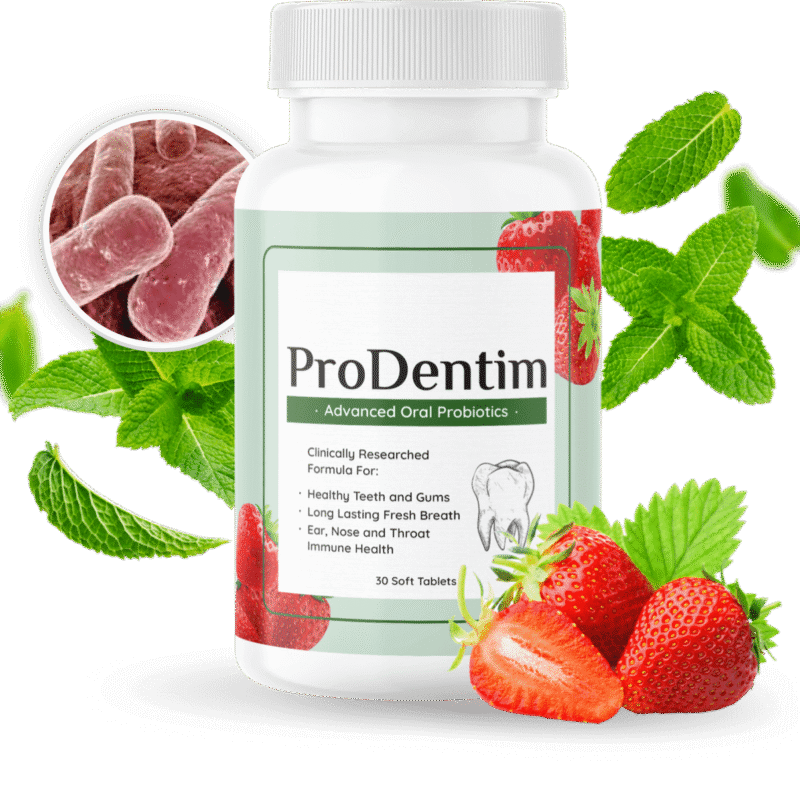
Oral wellness · microbiome basics
Oral probiotics are often marketed as a shortcut to healthier teeth and gums. The more useful question is: where could they fit in a sensible mouth-care routine—and where should you be skeptical?
Educational guide: This article is for general information, not dental diagnosis or treatment advice.

Why the oral microbiome is getting attention
Your mouth is home to a diverse community of microorganisms. That is normal. The goal is not a sterile mouth; it is an oral environment supported by everyday habits: brushing, cleaning between teeth, balanced eating, regular dental visits, and prompt attention to symptoms that change.
The idea behind an oral probiotic is simple: selected strains may temporarily interact with the oral environment in ways that influence microbial markers or breath-related measures. It is an interesting area of research. It is not a reason to assume that every mouth concern has one hidden cause—or that one lozenge can repair a dental problem.
What the research suggests—and what it does not
Reviews of clinical research report potential benefits for some oral microbial and halitosis-related measures. At the same time, the studies use different strains, doses, formats, time frames, and endpoints. That makes broad product promises difficult to justify.
A 2026 umbrella review found possible favorable changes in selected microbial markers and breath-related outcomes, while emphasizing heterogeneity, limited long-term data, and the need for larger strain-specific trials before routine clinical recommendations can be made. In other words: the category is worth understanding, but the label and the evidence should matter more than a dramatic headline.
When a supplement is not the next step
Do not use a supplement to postpone care for tooth pain, swelling, pus, a loose tooth, a mouth sore that does not heal, ongoing bleeding gums, facial swelling, fever, or trouble swallowing or breathing. Those symptoms need timely professional assessment.
A probiotic also cannot replace treatment already recommended by a dentist or dental hygienist.
Five questions to ask before trying an oral probiotic
1. Which strains are listed?
A meaningful label identifies strains, not just a vague “probiotic blend.” Research on one strain does not automatically transfer to every probiotic product.
2. What is the intended role?
Look for realistic support language. Be cautious of products that imply they rebuild teeth, replace dental care, or solve multiple unrelated health concerns.
3. Is the format practical?
Lozenges, tablets, chewing products, and capsules do not spend the same amount of time in the mouth. Follow the label rather than doubling a dose for a faster result.
4. What else is in it?
Read the full Supplement Facts panel and inactive ingredients. Bring the label to a pharmacist, dentist, or clinician if you use medication or have a health condition.
5. What is the return policy?
Before buying, check the current price, shipping, guarantee, customer service, and refund terms on the official purchase page.
6. What will stay the foundation?
Brush twice daily with fluoride toothpaste, clean between teeth, limit frequent sugary drinks or snacks, and keep preventive visits. A supplement should not crowd out proven basics.
A practical, low-pressure way to evaluate the category
If you and your oral-health professional feel a supplement is reasonable, change only one variable at a time. Keep your normal hygiene routine consistent. Notice comfort, taste, and whether it fits your routine; do not try to self-diagnose changes in gum health at home.
For people who are simply curious about fresh breath or everyday oral wellness, the best first move may still be less exciting: check brushing technique, tongue cleaning, hydration, dry-mouth triggers, food debris between teeth, and the timing of the last dental visit.
The takeaway
The oral microbiome is a useful concept, but it is not a reason to ignore simple routines or concerning symptoms. Oral probiotics may be an optional wellness tool for some adults. Use a realistic standard: clear ingredients, sensible expectations, and the same routine dental care that protects your mouth over time.